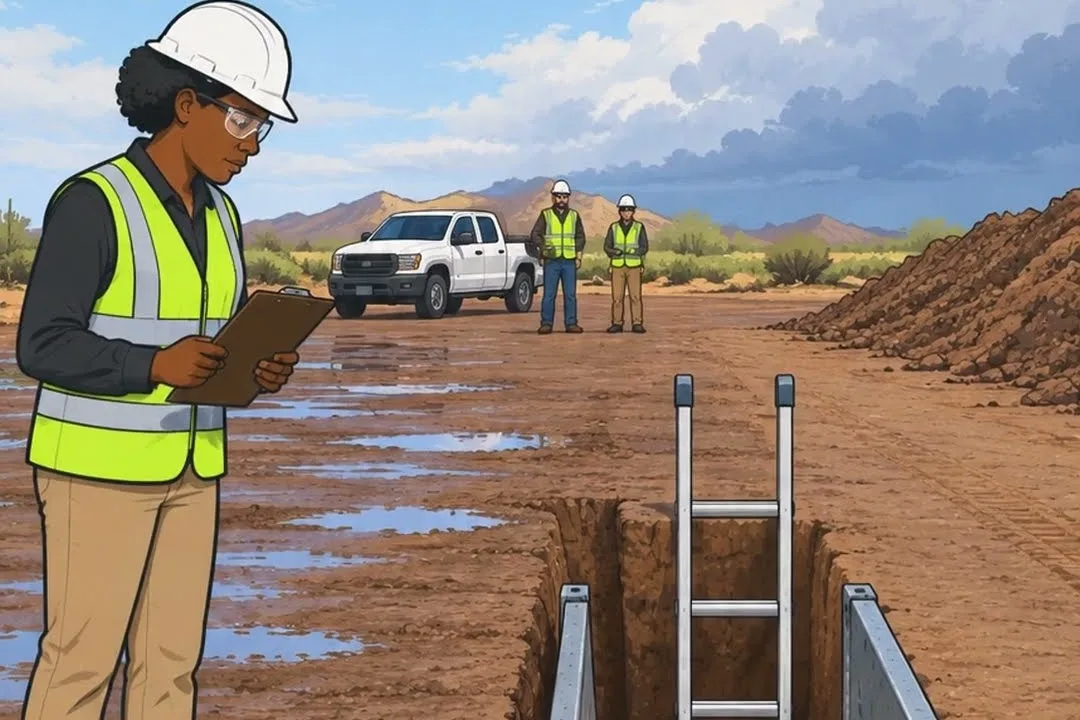

Extreme weather conditions can be a major challenge for construction workers, who are often exposed to heat, cold, wind, rain, and other elements on the job. In addition to being uncomfortable, extreme weather can also pose a safety hazard to workers, and it is important for employers to take steps to protect their workers from the effects of extreme weather.
One way that employers can protect their workers from extreme weather is by ensuring compliance with OSHA regulations. OSHA, or the Occupational Safety and Health Administration, is a federal agency that sets and enforces safety and health standards in the workplace. OSHA rules and guidance apply to work in extreme weather conditions.
For example, OSHA does not yet have a final federal heat standard, but under the general duty clause it expects employers to provide workers with plenty of water, rest, and shade when working in hot weather. Employers should also monitor the heat index and take steps to prevent heat illness, such as allowing workers to take frequent breaks or providing workers with cooling vests or other protective gear.
In cold weather, OSHA has no specific cold stress standard, but its cold stress guidance calls for employers to provide workers with adequate clothing to protect them from the cold, such as warm jackets, hats, gloves, and thermal underwear. Employers should also monitor the wind chill factor and take steps to prevent cold stress, such as providing workers with heated shelters or allowing them to take frequent breaks to warm up.
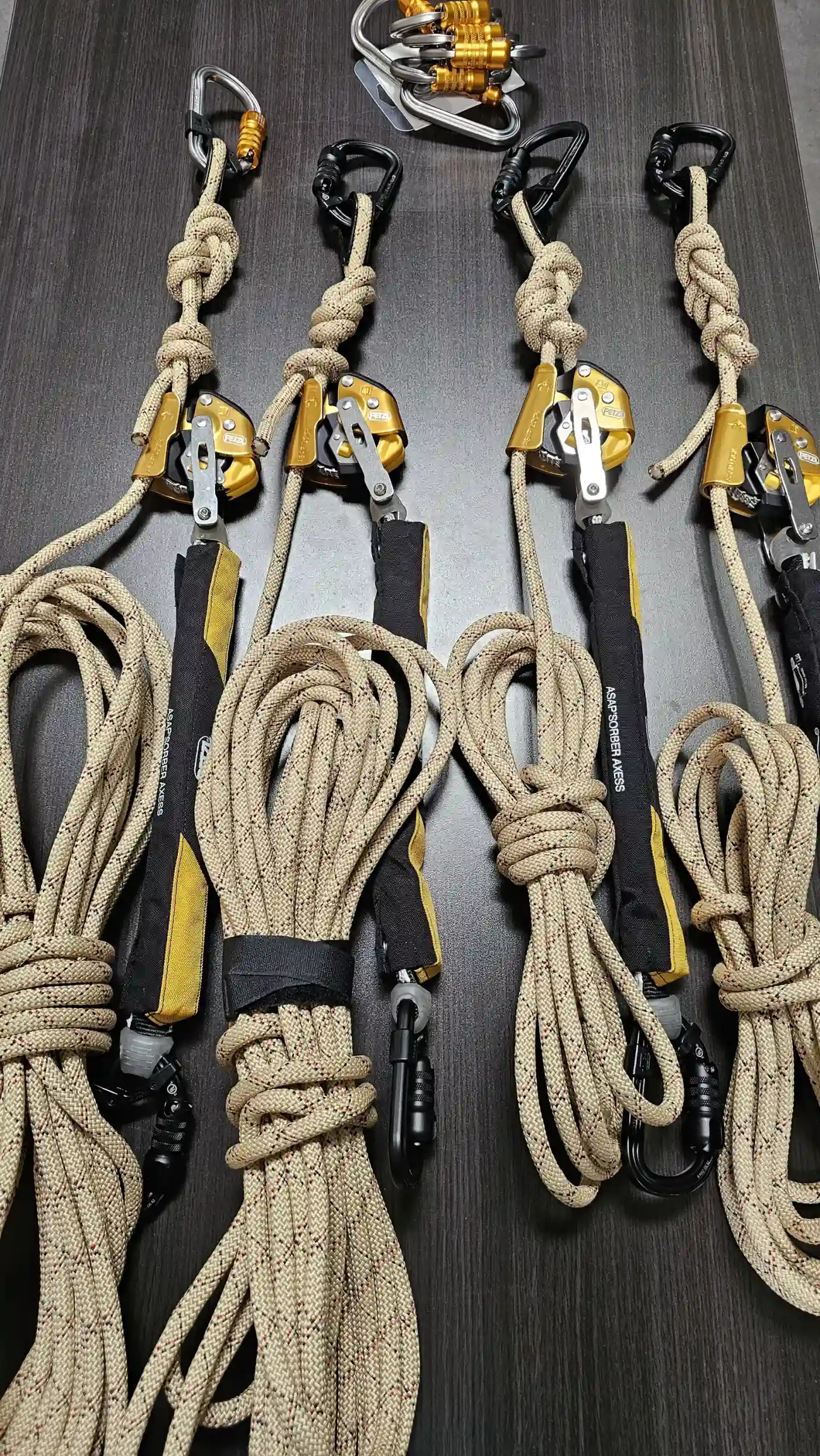
In addition to this guidance, OSHA also has general regulations in place to protect workers from the hazards of extreme weather. For example, OSHA's Walking-Working Surfaces standard requires employers to provide workers with safe and stable platforms, ladders, and other equipment to use in wet, slippery, or otherwise hazardous conditions. OSHA's Personal Protective Equipment standard also requires employers to provide workers with appropriate protective gear, such as hard hats, safety glasses, and fall protection equipment, when working in extreme weather. By following OSHA's regulations and taking steps to protect their workers from extreme weather, employers can help to ensure the safety of their workers and prevent accidents and injuries on the job. For more information on extreme weather compliance, contact P3 Safety Solutions.
What Extreme Weather Do You Encounter?
HEAT
COLD
WIND
TORNADOS